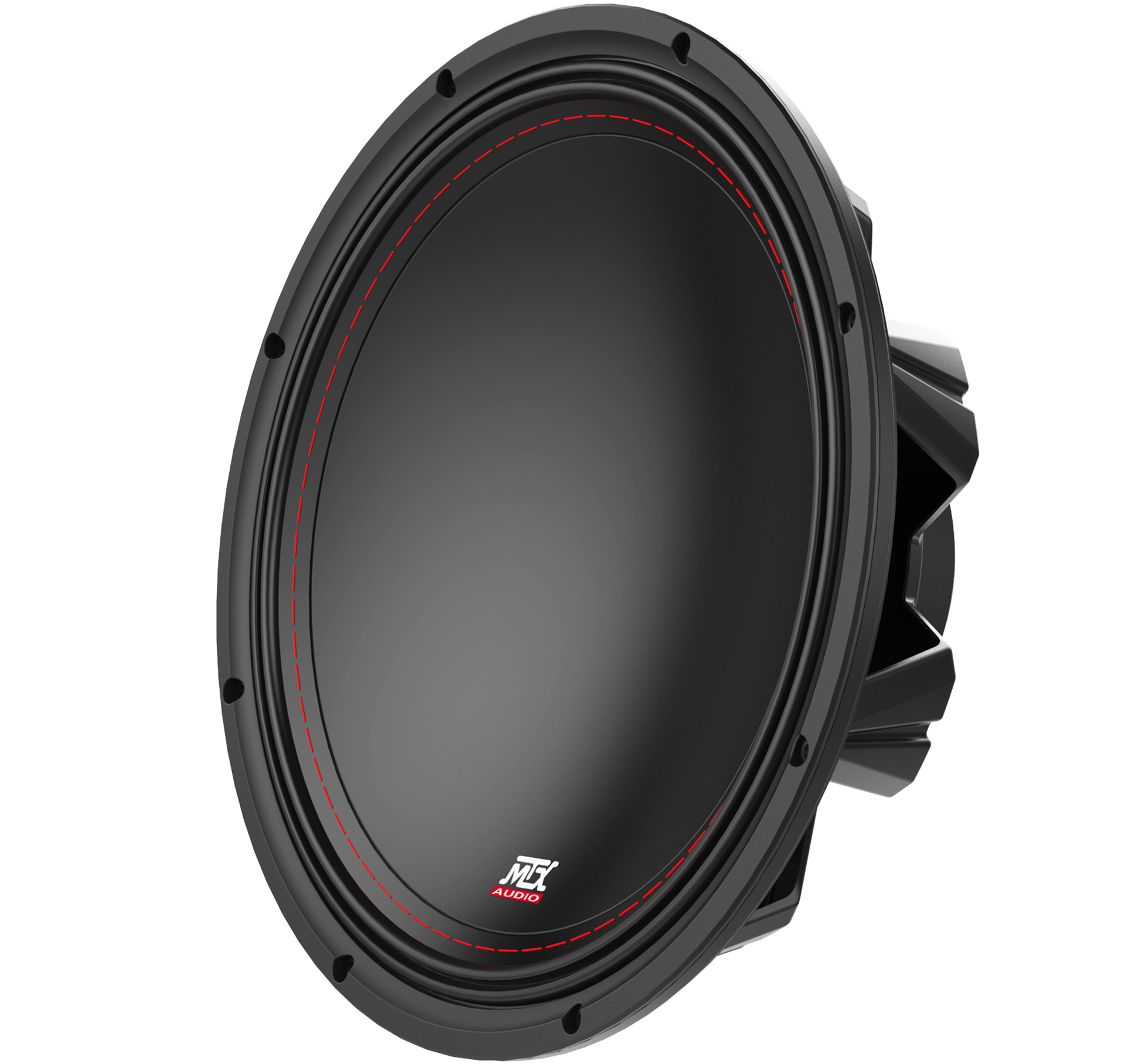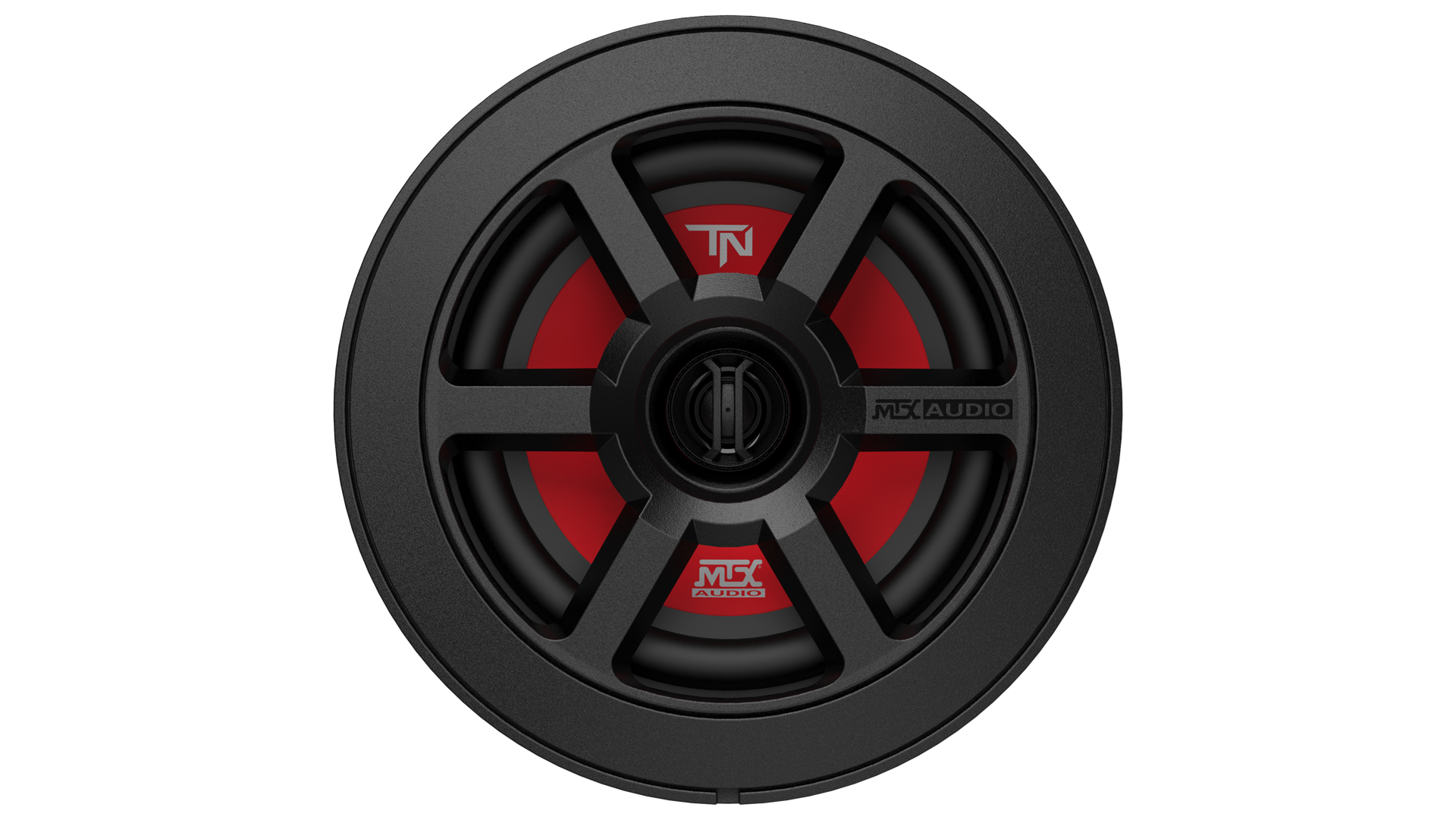
Quality speakers generally have an audio frequency range specification. For instance, subwoofers are designed to reproduce the lowest portion of the frequency range and would have a spec such as 20 Hz to 130 Hz. Speakers come in midrange and tweeter configurations to reproduce the mid and high frequencies. When combined, the entire audible range of frequencies can be reproduced to reflect any type of music.
What Is Frequency?
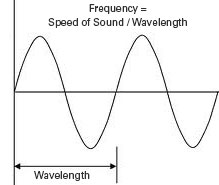
Frequency is the number of occurrences of a repeating event per unit time. An audio frequency, or audible frequency, is characterized as a periodic vibration whose frequency is audible to the average human. It is the property of sound that most determines pitch and is measured in Hertz (Hz) — vibrations per second.
The generally accepted standard range of human hearing is 20 to 20,000 Hz, although the range of frequencies a person can hear is greatly influenced by environmental factors. These are the low notes (low audible frequencies) to the high notes (high audible frequencies). Frequencies below 20 Hz are generally felt rather than heard, assuming the amplitude of the vibration is great enough. Frequencies above 20,000 Hz can sometimes be sensed by young people. Most music tops out around 5,000 Hz as figured by the highest note being played.
What Are Music Frequencies?
Instruments including the human voice are made up of harmonics — combinations of frequencies that give the sound its personality. That is why a piano playing middle C sounds different than a tone generator playing that specific frequency. A bass drum is not tuned to a specific frequency, although they hover around 50 Hz in general. So speaker systems are designed to reproduce the entire human hearing range, so the entire listening experience is recreated accurately.
Listen: Sample Frequency Tones
Here are sample frequency tones to give you a better feel for what different frequencies actually sound like. Most people cannot hear the extremes of 8 Hz and 20,000 Hz.
| Instrument / Reference | Frequency | Listen |
|---|---|---|
| Pipe Organ (lowest note) | 8 Hz | |
| Organ / Tuba (lowest) | 16 Hz | |
| Bass Guitar (lowest note) | 30.868 Hz | |
| Piano 88-key (lowest note) | 32.7 Hz | |
| Bass Drum (typical) | 50 Hz | |
| Male Voice (lowest) | 65 Hz | |
| Middle C | 261.63 Hz | |
| Female Voice (highest) | 1,046.5 Hz | |
| Piano 88-key (highest note) | 4,186 Hz | |
| Upper hearing range | 10,000 Hz | |
| Hearing limit (most people cannot hear) | 20,000 Hz |
The Full Human Hearing Range
This video reproduces the 20–20,000 Hz range considered to be human hearing. Most people cannot hear the extremes.
Speaker Frequency Response
MTX speakers specify speaker response and are designed to reproduce it accurately. If you choose a speaker with a tweeter and midrange, separate or combined, you can probably ignore the frequency range spec since they are all designed to cover the human hearing range. Just don't install the tweeter alone with its 2,500 Hz bottom end and expect to get any midrange quality.
But notice the low end of the frequency range of many midrange speakers. The lowest frequency is often 75 Hz or higher, especially in less expensive stock car audio systems. So we come to see the benefit of adding subwoofers.